Washed v Natural?
Posted by Ferg on 13th Feb 2026
Natural vs Washed Coffee
Same cherry. Very different result.
If you’ve ever tasted two coffees from the same producer and wondered how they can be so different, processing is usually the reason.
After the coffee cherry is picked, it still needs to be removed from the fruit that surrounds the seed. The way that fruit is handled has a massive impact on flavour, texture and overall character in the cup.
The two most common approaches are Washed and Natural processing. Let’s break them down.
Washed Processing
With washed coffee, the fruit is removed before the drying stage.
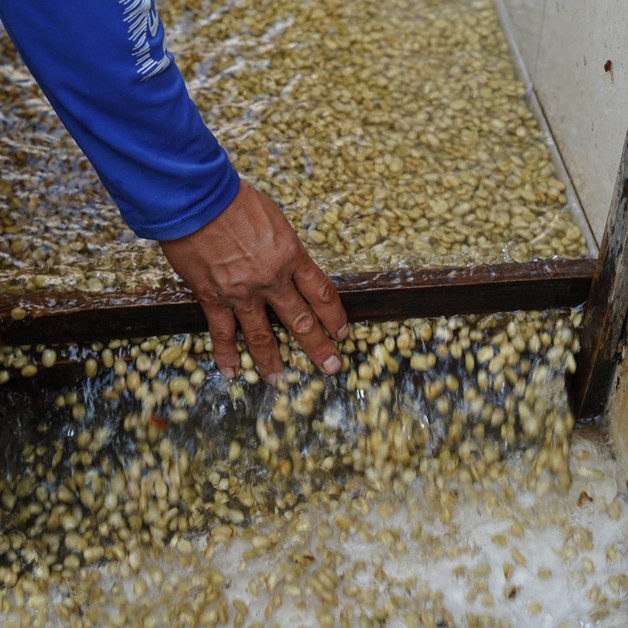
Freshly picked cherries are pulped to strip away the outer skin. The sticky layer left behind, called mucilage, is broken down through fermentation, usually in tanks of water. After fermentation, the coffee is washed clean and then dried as parchment on raised beds or patios.
Because most of the fruit is taken off early, washed coffees tend to express the internal character of the bean more clearly.
In the cup, washed coffees often show:
-
Greater clarity
-
Brighter, more defined acidity
-
Floral or citrus notes
-
A clean, structured finish
Washed processing requires consistent access to clean water and the infrastructure to manage wastewater responsibly. That’s why it’s common in regions with established washing stations and reliable water sources, such as Kenya or parts of Colombia.
Natural Processing
Natural processing takes a different path.
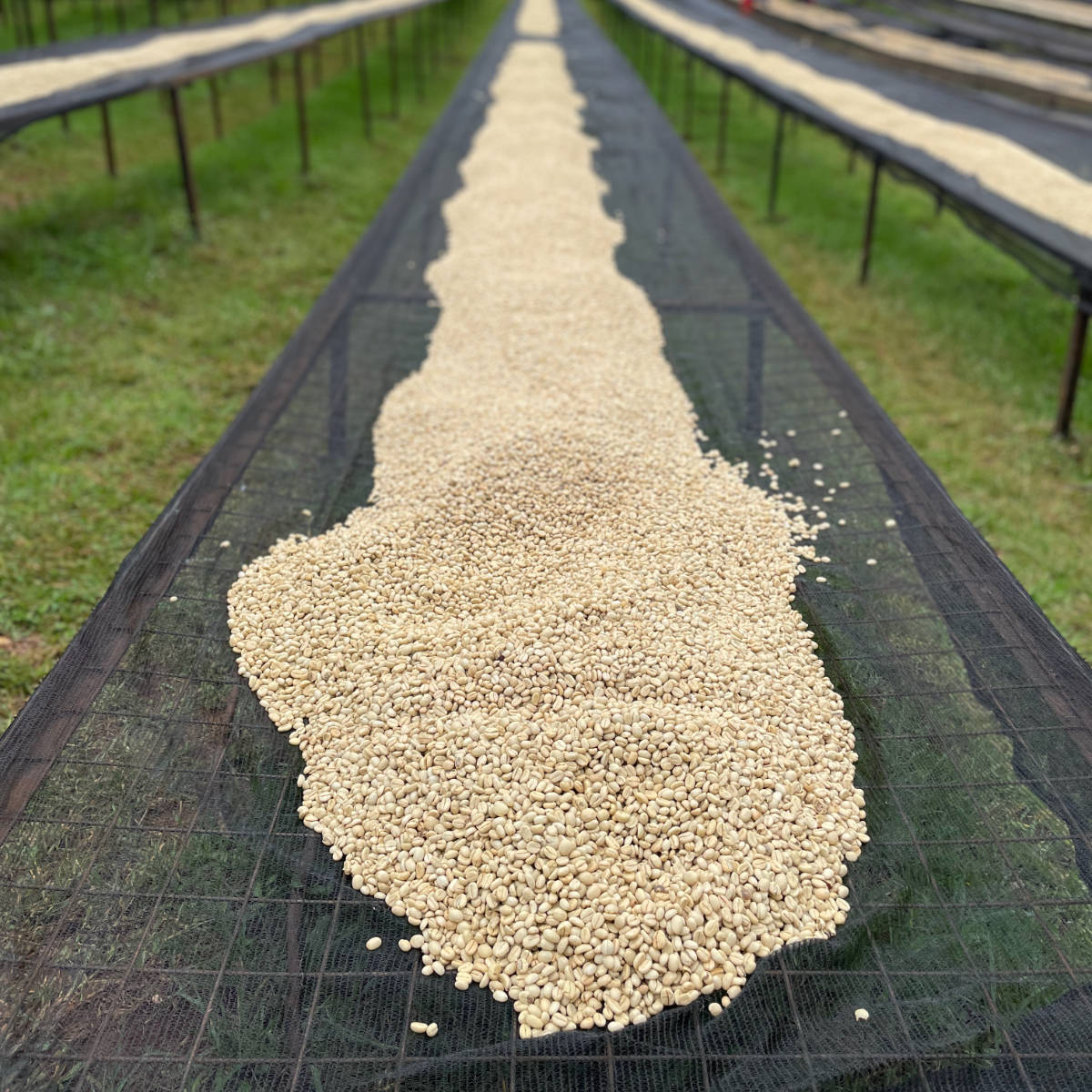
Instead of removing the fruit straight away, the whole cherry is dried intact. The beans remain inside the fruit as it slowly dehydrates in the sun, usually on raised beds. Once fully dry, the outer layers are removed mechanically.
Because the seed stays in contact with the fruit sugars for the entire drying period, more of that fruit character makes its way into the cup.
In the cup, natural coffees often show:
-
Riper, fruit-forward flavours
-
Berry, tropical or jam-like notes
-
More body and sweetness
-
A layered, sometimes wilder complexity
Natural processing is often favoured in regions where water is limited, or where dry climates make sun-drying more practical and consistent. Ethiopia and Brazil are well known for naturals, though the method is used worldwide.
That said, naturals demand careful drying management. If the fruit dries too slowly or unevenly, defects can creep in. When handled well, though, the result can be incredibly expressive.
Why does origin influence processing choice?
Processing isn’t just a stylistic decision. It’s often shaped by environment and resources.
Water availability plays a major role. Washed coffees need significant volumes of clean water, which simply isn’t viable in some producing regions.
Climate matters too. Naturals need stable, dry conditions to avoid mould or over-fermentation. In wetter climates, washed processing can offer more control.
Infrastructure and investment also come into play. Washing stations, tanks and wastewater systems require capital and maintenance. Not every producer group has access to that level of equipment.
In many cases, tradition and market demand guide the decision as well.
What does this mean for you?
Neither method is better. They simply highlight different aspects of the same coffee.
Washed coffees often feel precise, structured and transparent. Naturals tend to be bolder, fruit-driven and more textural.
When you taste a Washed and a Natural from the same producer group, you’re tasting how post-harvest decisions shape flavour. Same farm. Same harvest. Different handling. Different outcome.
And that’s what makes processing one of the most fascinating parts of coffee.